

Restore Mobility and Strength with Injury Recovery
Targeted hands-on therapy to reduce chronic pain, improve scar tissue mobility, rebuild strength, and restore function after surgery or long-term overuse.

Available Injury Recovery Session Lengths
$$MultiPurposeText$$
Flexible durations to fit recovery needs from brief care to extended therapy sessions.
Why Choose Our Injury Recovery
$$MultiPurposeText$$
Specialized approach combining manual therapy, mobilization, and personalized rehab strategies.
Targeted Manual Therapy Techniques
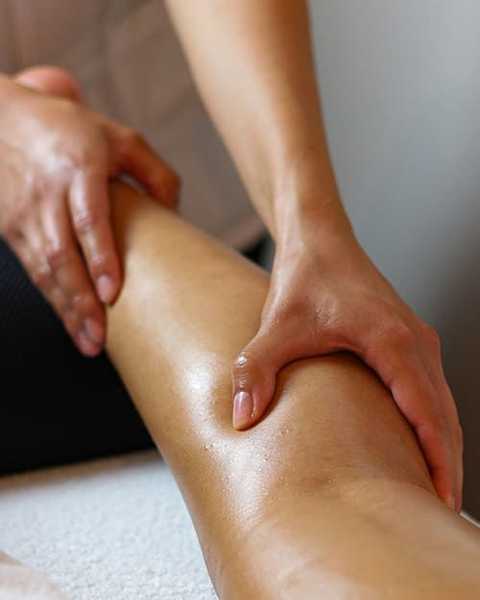
Deep tissue, myofascial release, and scar mobilization to break adhesions, reduce pain, and restore tissue flexibility for long-term recovery.
Post-Surgical Scar Care
Gentle, progressive techniques to desensitize scars, improve mobility, and prevent restrictive adhesions after surgery for lasting function.
Customized Rehabilitation Plans
Individualized home exercises and in-session coaching to rebuild strength, correct movement patterns, and reduce reinjury risk.
Progressive Treatment Options
Session lengths from 30 to 180 minutes allow incremental progress, focused work, and extended hands-on care when needed.
What Our Clients Say
$$MultiPurposeText$$
Read testimonials from our satisfied customers

Would highly recommend Julia! I had a great experience, she is a wealth of knowledge and w...more

...more
Our Gallery
$$MultiPurposeText$$
See our work come to life--explore the gallery!




Injury Recovery Frequently Asked Questions
Answers to common concerns about healing, sessions, and expectations during recovery.
Our therapists use targeted techniques—scar mobilization, deep tissue, and myofascial release—to address adhesions and restricted movement from surgery. Treatments reduce pain, improve circulation and tissue flexibility, and combine home exercises to support lasting functional improvements over time.
Session length depends on injury complexity: short 30-minute visits for focused work, 60–90 for comprehensive treatment, and 120–180 for intensive sessions combining hands-on therapy with prolonged mobilization and rehab. Your therapist will recommend duration based on assessment and goals.
Often yes, but timing matters. We coordinate with your surgeon or physical therapist and wait for tissue healing milestones before deep work. Early sessions focus on gentle scar care, swelling control, and range-of-motion; advanced techniques begin when your provider clears hands-on therapy.
Recovery varies: many clients see meaningful improvement within 4–8 sessions, while chronic, scarred, or multi-site injuries may require 12–20+ treatments. Progress is measured by pain reduction, increased range of motion, and functional gains; therapists adjust the plan accordingly.
Yes—targeted scar mobilization, myofascial release, and controlled loading help soften scar tissue, improve glide, and break minor adhesions. Results depend on scar age and severity; earlier intervention usually responds faster, while older scars may require more sessions and complementary home exercises.
Yes, every recovery plan includes personalized home exercises, stretches, and self-care techniques. These reinforce in-clinic progress, promote tissue remodeling, and accelerate functional gains. Therapists demonstrate movements and adjust plans as you improve to ensure safe, sustainable recovery.