

Sports Massage - 60 Minutes Gallery
$$MultiPurposeText$$
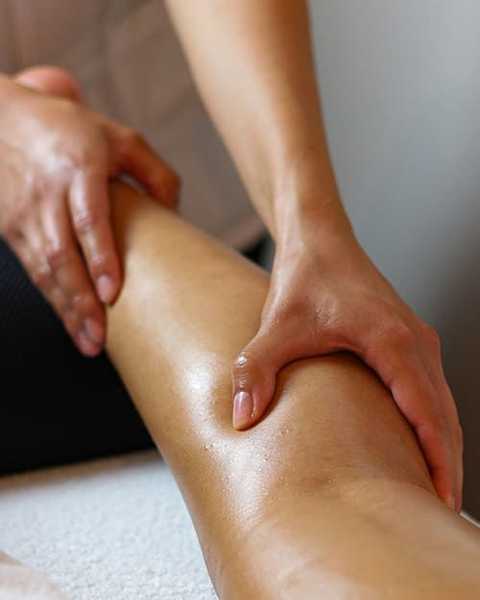
See examples of our Sports Massage - 60 Minutes work and results.







What Our Clients Say
$$MultiPurposeText$$
Read testimonials from our satisfied customers

I had a wonderful massage and overall experience with Julia! She used different techniques...more

Julia was great. She looked at my intake form and actually read it, understood it, focused...more

Highly recommend both Julia and Chris L!! I've been going to see Julia for 2.5 years and l...more

Julia was extremely professional and friendly and I can confidently say this was the best ...more

Best massage place around !!!!

Julia has proven to be the best around! She tackled my tight shoulder and neck with severa...more

Frequently Asked Questions
Get answers to common questions about Sports Massage - 60 Minutes.
During a Sports Massage - 60 Minutes session you'll receive a consultation, focused soft tissue techniques, stretching, and targeted work on problem areas. Therapists balance pressure to address tightness while maintaining comfort; expect deeper work plus guidance on at-home self-care.
We recommend weekly to biweekly Sports Massage - 60 Minutes for active athletes, adjusting frequency based on training load, recovery needs, and goals. Your therapist will build a plan that complements workouts and competitions to maximize performance and reduce injury risk.
Yes. Sports Massage - 60 Minutes can be scheduled either before or after competition depending on goals. Before events focus on lighter, dynamic work to prepare muscles; after events use deeper recovery techniques to reduce soreness and speed tissue repair.
Mild soreness for 24–48 hours can occur after deeper Sports Massage - 60 Minutes, which is normal as tissues reset. Drink water, rest, and apply heat or ice as recommended. Contact your therapist if pain intensifies or persists beyond a few days.
No special preparation is required for Sports Massage - 60 Minutes. Wear comfortable clothing or athletic shorts; hydrate beforehand. Complete intake forms and inform the therapist about injuries, medications, or medical conditions to ensure a safe, tailored session.
Some clients notice immediate relief in mobility and reduced tightness after Sports Massage - 60 Minutes, while others see progressive improvement over several sessions. Benefits depend on condition severity, training, and follow-up care like stretching and recovery routines.